Dead Air, Live Edges: The 40-Second Window Most Bettors Scroll Past
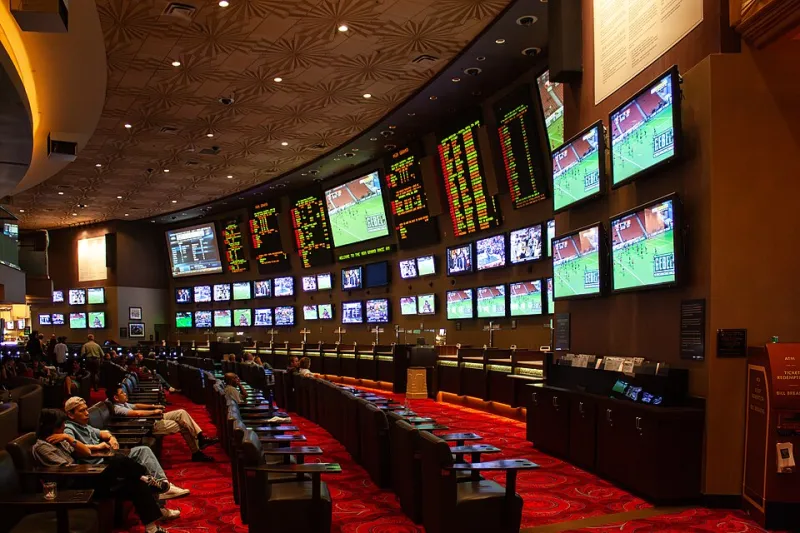
Photo: Chad Davis, CC BY 2.0, via Wikimedia Commons
Live betting has a reputation for speed. The ball is snapped, the odds move, the phone buzzes, and suddenly everyone is a reaction-time athlete. But if you watch a live market closely, the real action is not always in the burst of action. It is in the dead air right after it. The pause between plays, the timeout before a possession, the replay review that gives the trading desk just enough time to refresh the number. That is the 40-second window, and most recreational bettors scroll right past it.
At J88 Spin Zone, we are not here to pretend live betting is a slot machine with a scoreboard. It is a market, and markets have rhythms. The rhythm that matters most is the one that happens when the game stops moving and everyone catches their breath.
What Actually Happens in the Pause
When a play ends, the live market usually suspends. The scoreboard updates, the refs huddle, the broadcast goes to replay, and the odds screen goes blank or grey. Then it refreshes. In that refresh, the sportsbook is processing what just happened, what the clock says, what the field position or possession situation looks like, and what the public is likely to do next.
The pause is not empty. It is a reset. The number you see when the market reopens is not the old number plus a little juice. It is a new number built for the next state of the game. If you are only reacting to the last play, you are already late. If you prepared for the next state, you can decide quickly whether the refreshed price is worth taking.
Why Recreational Bettors Misread It
Most casual live bettors watch the game like fans and bet like fans. A team rips off a big gain, the crowd goes wild, and the instinct is to hammer the over or the next team to score. But the market saw the same play. The trading desk is not asleep. By the time your thumb hits the screen, the price has already adjusted for the emotional spike.
The misread is thinking that live betting is about predicting the immediate future. It is really about comparing the current price to the price you thought was fair before the game started. If you did not have a fair price in mind, you are not betting an edge. You are betting a feeling.
The Emotional Tax of the Refresh
The pause creates urgency. The screen says live, the odds are moving, and your brain tells you that if you do not act now, the opportunity will disappear. That is the emotional tax. It makes you click faster and think slower.
A simple way to beat it is to decide before the game what you are looking for. Not every game. Not every market. One or two scenarios. For example: if the favorite goes down by seven early, you want to see whether the live moneyline crosses a certain number. If a team gets the ball back with two minutes left and needs a field goal, you want to know what you are willing to pay for the over. Write it down. A target number on paper is a lot calmer than a target number in your head while the crowd is screaming.
Build Your In-Play Plan Before Kickoff
A live betting plan does not need to be complicated. It needs to be specific enough to keep you from improvising. Before the game starts, note the teams, the current spread and total, and the two or three in-game situations you actually care about. Then set a maximum number of live bets for that game. Two is plenty for most recreational players. One is even better if you are new to in-play markets.
Also set a unit size. Live odds can look tempting because they move fast, but a bad price is still a bad price. If you normally bet ten dollars a unit, do not suddenly bet forty because the clock is ticking. The clock is always ticking. Your bankroll does not need to keep up with it.
A 40-Second Routine
When the market reopens, give yourself a short routine. First, breathe. Second, check the clock, score, and possession. Third, compare the current odds to your pregame target. Fourth, ask whether the reason you wanted the bet still exists. Fifth, bet or pass within ten seconds. Sixth, log it later and move on.
That routine sounds basic because it is. But basic is exactly what you need when the game is loud and the odds are fresh. The 40-second window rewards preparation, not reflexes. If you cannot explain the bet in one sentence, pass. If the price has moved past your target, pass. If you are betting because you are bored, pass. There will be another pause.
When Not to Touch It
Live betting is a bad fit for revenge mode. If you just lost a bet on the same game, the pause is not an opportunity. It is a trap with a countdown timer. The same goes for late nights, alcohol, and any moment when you are watching the scoreboard more than the clock. The best live bettors are not the ones who click fastest. They are the ones who know which windows to ignore.
The 40-second window is not magic. It is just a moment when the market resets and most people react instead of prepare. If you do the preparation before kickoff, that little patch of dead air can be the most useful part of the entire broadcast.