Photocopy Luck: What Really Happens When You Tail a Stranger's Betting Slip
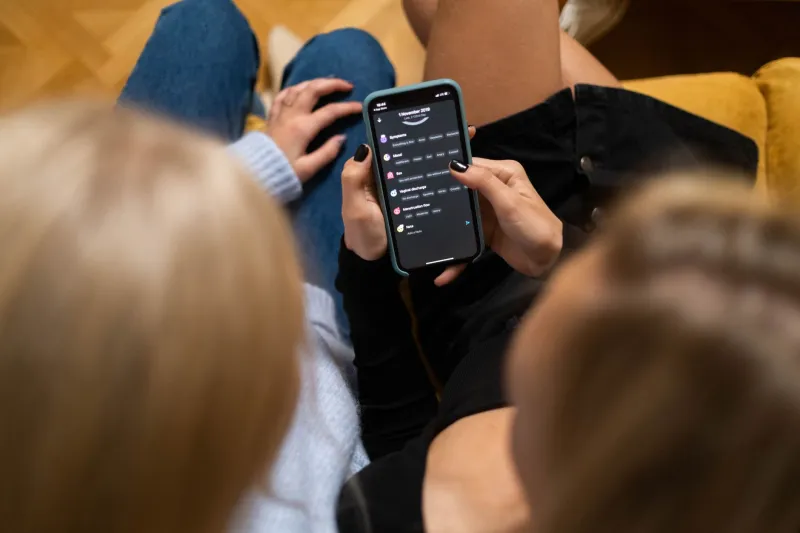
Every sportsbook in America has that guy. He's at the end of the bar, phone in one hand, ticket in the other, loudly narrating a five-leg parlay like it's the seventh game of the World Series. And every sportsbook also has the guy standing behind him, squinting at the screen, thumb hovering over the 'place bet' button.
That second guy is the copycat bettor, and he's become one of the fastest-growing species in American gambling. The problem? He's photocopying a photocopy, and the image degrades every time.
The Rise of the Slip-Sharing Economy
Ten years ago, copying a bet meant physically hovering near someone's phone. Today it's an industry. Telegram channels push "lock alerts" to thousands of subscribers. Twitter (nobody's calling it X at the sportsbook) is wall-to-wall screenshots of winning tickets with the caption "small to a LARGE." Discord servers sell monthly memberships to groups whose entire business model is convincing you their brain is better than yours.
The appeal is obvious. Building a parlay takes work — researching injuries, checking weather, comparing lines across books. Tailing a slip takes eleven seconds and zero effort. It's the gambling equivalent of ordering what the guy at the next table is having, except the entree costs $50 and there's a solid chance it never arrives.
Why the Copy Is Always Worse Than the Original
Here's the part the tip-sheet salesmen never mention: the math changes the moment you mirror a ticket.
The line has moved. By the time a winning ticket hits your feed, the odds that made it valuable are gone. That +240 underdog moneyline? The market caught up. You're now paying -180 for the same outcome, which means the original bettor found value and you're just paying retail.
The stake doesn't translate. A professional bettor putting 2% of a five-figure bankroll on a coin-flip underdog can absorb variance you can't. When you tail that bet with rent money, you're not copying the bet — you're copying the bet and ignoring the risk management that made it survivable.
You're missing the context. The original ticket might have been leg three of a correlated strategy, a hedge against an earlier position, or — more often than anyone admits — a screenshot cherry-picked from twenty losing slips the same bettor deleted. Survivorship bias is the fuel of the entire copycat economy. You see the winning ticket. You never see the graveyard.
The variance compounds. Every leg of a parlay multiplies the house edge. The original bettor took that haircut once. You're taking it on a ticket priced for a market that already moved. It's the same reason the bartender pours a little lighter on the second round — the cut happens somewhere, every time.
The Telegram Group Problem
Let's talk about those tip channels honestly. If someone genuinely had a repeatable edge, why would they sell subscriptions for $29 a month instead of just betting it? The uncomfortable answer: selling picks often is the edge. The channel runner bets small, posts winners loudly, loses quietly, and monetizes the highlight reel.
That's not to say every handicapper is a grifter. Some are genuinely sharp. But the business incentives run backwards — a pick seller profits from volume of followers, not accuracy of picks. Your sportsbook profits from your losing slips. Notice how everyone in the copycat food chain gets paid except the person doing the copying.
When Tailing Actually Makes Sense
Now, the honest counterpoint, because this isn't a sermon. There are narrow cases where riding someone else's slip is defensible:
- You're learning the market. Copying a sharp bettor's process for a month — not just their picks, but why they bet — is a legitimate apprenticeship. The education is the product; the ticket is the tuition.
- The line hasn't moved. Some niche markets (smaller college sports, early tournament futures) are slow to adjust. If you can get the same number the original bettor got, you've genuinely copied the value, not just the pick.
- It's entertainment budget. If you'd be betting $20 on something anyway, and tailing a group slip makes the Sunday slate more fun with your buddies, that's a fine use of money you've already written off. Just know you're buying a thrill, not an edge.
Bet Your Own Brain
The deeper issue with copycat betting isn't mathematical — it's psychological. When you tail a slip, you have no conviction. The original bettor held that ticket through a rough second quarter because he understood the matchup. You, holding the same ticket, will panic-cash out at the first sign of trouble or, worse, chase losses on legs you never researched in the first place.
Betting with someone else's brain means you never develop your own. And in a market where the books are pricing games sharper every season, the only sustainable advantage a recreational player has is knowing exactly which bets they understand and which ones they're guessing on.
So the next time that guy at the bar cashes a monster, buy him a beer. Genuinely — buy him a beer, ask him how he found the bet, and take notes. Then build your own ticket.
The copy never quite matches the original. In gambling, that difference is the whole game.