Cold Front, Hot Numbers: A December 2026 NFL Weather Betting Playbook

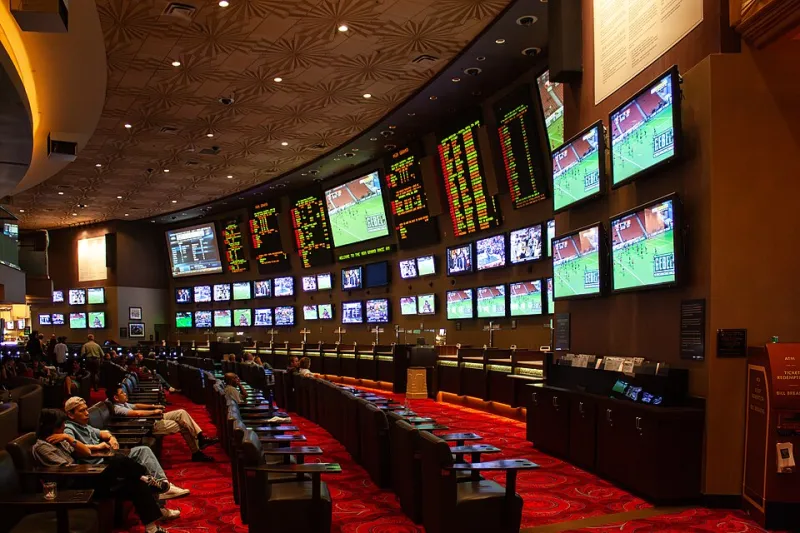
Photo: ZappaOMatic, CC BY-SA 4.0, via Wikimedia Commons
December football is not just a test of depth charts. It is a test of meteorology, and the bettors who read the sky before they read the injury report often get the first clean look at a number that is about to move. The 2026 NFL season is heading into its final month, which means wind, snow, and cold-weather totals are back on the board. This is the part of the calendar where a forecast can be worth more than a hunch, and where J88 Spin Zone readers can treat weather like a live market instead of a postgame excuse.
Why December Forecasts Beat December Hype
Every late-season NFL weekend arrives with a pile of narrative noise. Cold-weather teams are tough. Warm-weather teams fade. December football is about running the ball. Some of that is true, some of it is recycled, and some of it is already baked into the price by Sunday morning.
The edge is not in knowing that Buffalo can be windy in December. The edge is in knowing exactly how windy, when the wind arrives, and which markets are slowest to react. A forecast that calls for 12 mph at kickoff is background noise. A forecast that flips from 12 mph to 24 mph with gusts near 35 mph between Friday and Saturday is a signal. That is when totals, team totals, and passing props can still be hanging on to fair-weather assumptions.
Start with the National Weather Service hourly forecast, then cross-check a local station or two. Look at sustained wind, gusts, precipitation timing, and temperature. Do not just read the Sunday summary. Read the game window. A cold, calm day is a different betting environment than a cold, gusty day, and a snow game that starts dry is a different animal from one where the flurries arrive in the second quarter.
The Three Numbers That Matter: Wind, Snow, Temperature
Wind is the most bettor-friendly weather variable because it affects almost everything. Passing windows tighten. Deep throws become coin flips. Kicking gets weird. Coaches get conservative near midfield. A steady 15 mph wind is annoying. Gusts over 25 mph can reshape a game plan.
Snow is flashier but less predictable. Heavy snow can suppress scoring, but it can also create short fields, turnovers, and ugly chunk plays when defenders lose footing. The timing matters more than the total accumulation. Two inches before kickoff is not the same as six inches during the second half.
Temperature is the least direct of the three. Extreme cold can make the ball harder to grip and kicks less reliable, but elite players adapt more than the public thinks. The real value is in how cold weather combines with wind. A 20-degree day with calm air is manageable. A 34-degree day with a 25 mph crosswind is a problem.
Which Markets Move First, and Where the Edges Hide
Game totals usually move first, but they do not always move fast enough. Sportsbooks know weather matters. The question is whether the number has absorbed the latest forecast or merely the general idea of bad weather. If the total has dropped two points on the rumor of wind and the forecast has since improved, there may be an over look. If the total has barely budged while the hourly forecast has gotten worse, the under side deserves attention.
Team totals are often slower. Passing props and kicking props can be slower still. That is where prepared bettors find the most interesting conversations. A quarterback's passing yards prop might be priced for a normal December day while the forecast calls for gusts that will keep the offense on the ground. A kicker's long field goal prop can be tempting in cold weather, but wind is the real enemy.
Live betting adds another layer. If the pregame forecast was for wind and the first quarter confirms it, the market may overcorrect. If the wind is supposed to pick up in the second half and the first half is calm, live totals can lag behind the weather report. The key is to have the forecast open before kickoff, not to discover it after a punt sails sideways.
Buffalo, Chicago, Green Bay: The Repeatable Cold-Weather Labs
Buffalo, Chicago, and Green Bay are not automatic unders. That is the lazy read. They are repeatable laboratories because the weather is visible, the markets are heavily traded, and the public loves to overreact to the first windy highlight.
In Buffalo, the wind can swirl and the lake effect can change the forecast quickly. In Chicago, the lakefront conditions can make a moderate forecast feel much worse. In Green Bay, the cold is part of the brand, but the wind still decides how much of that cold actually matters. The smart play is not to bet the logo. It is to compare the specific stadium forecast to the specific number on the board.
How to Build a Weather Card Without Overthinking It
Keep it simple. Pick two or three games with outdoor forecasts that are meaningfully different from the weekly baseline. Write down the kickoff temperature, sustained wind, gusts, and precipitation timing. Then check the total, the team totals, and one or two player props. If the market has already moved, move on. If the market is lagging, decide whether the edge is in the side, the total, or a prop.
Do not bet every cold game. Do not chase a forecast that changes every six hours. And do not confuse a windy day with a guaranteed ugly game. The goal is to find spots where the weather is clear enough to matter and the price has not caught up.
The Last Word Before Kickoff
December NFL betting rewards preparation, not panic. The 2026 season is about to hand out a fresh batch of frostbite edges, and the bettors who treat the forecast like a real input will see the board differently from the crowd. Read the hourly report. Watch the wind. Know which markets move first. Then let the cold do the rest.